Leveraging Generative AI for Creative Production
This project demonstrates the practical integration of generative AI into an enterprise learning design workflow. AI was used to accelerate visual production, generate custom imagery, support video creation, and explore multiple creative directions within tight deadlines.
The process combined prompt engineering, visual curation, and traditional design techniques to ensure all assets aligned with business objectives and learning outcomes. Final deliverables were reviewed, refined, and integrated into the broader learning experience through human-led art direction and quality control.
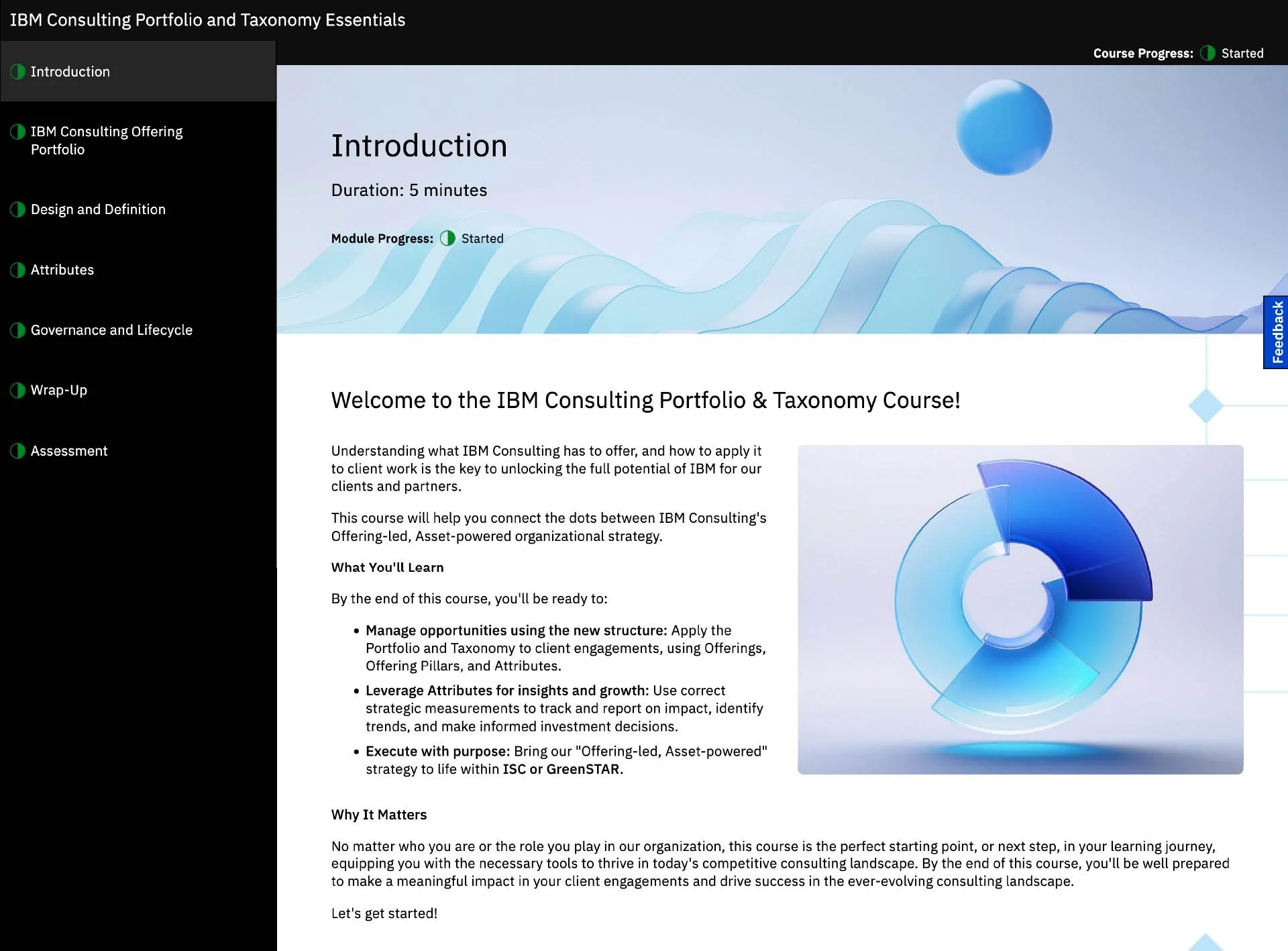
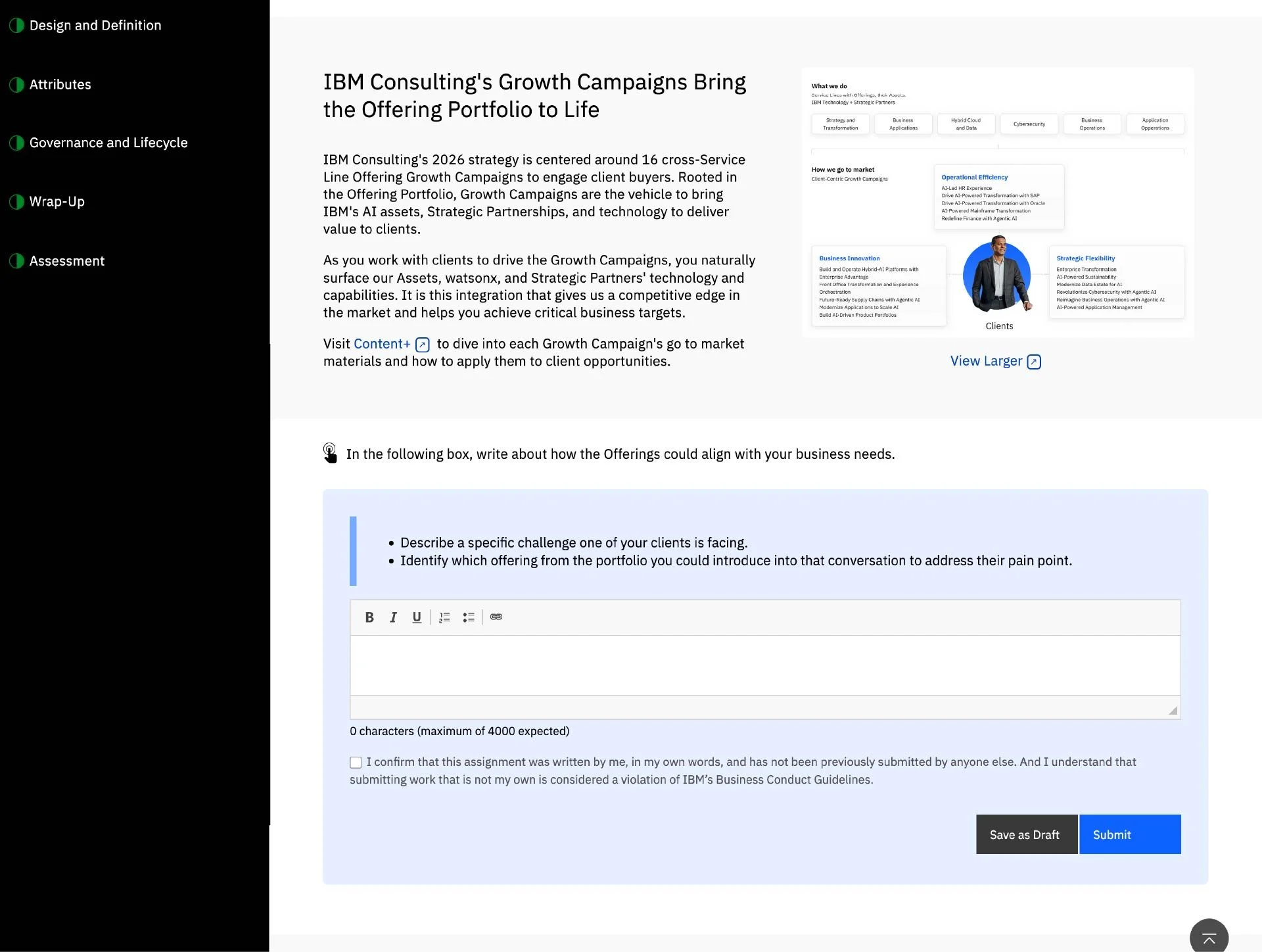
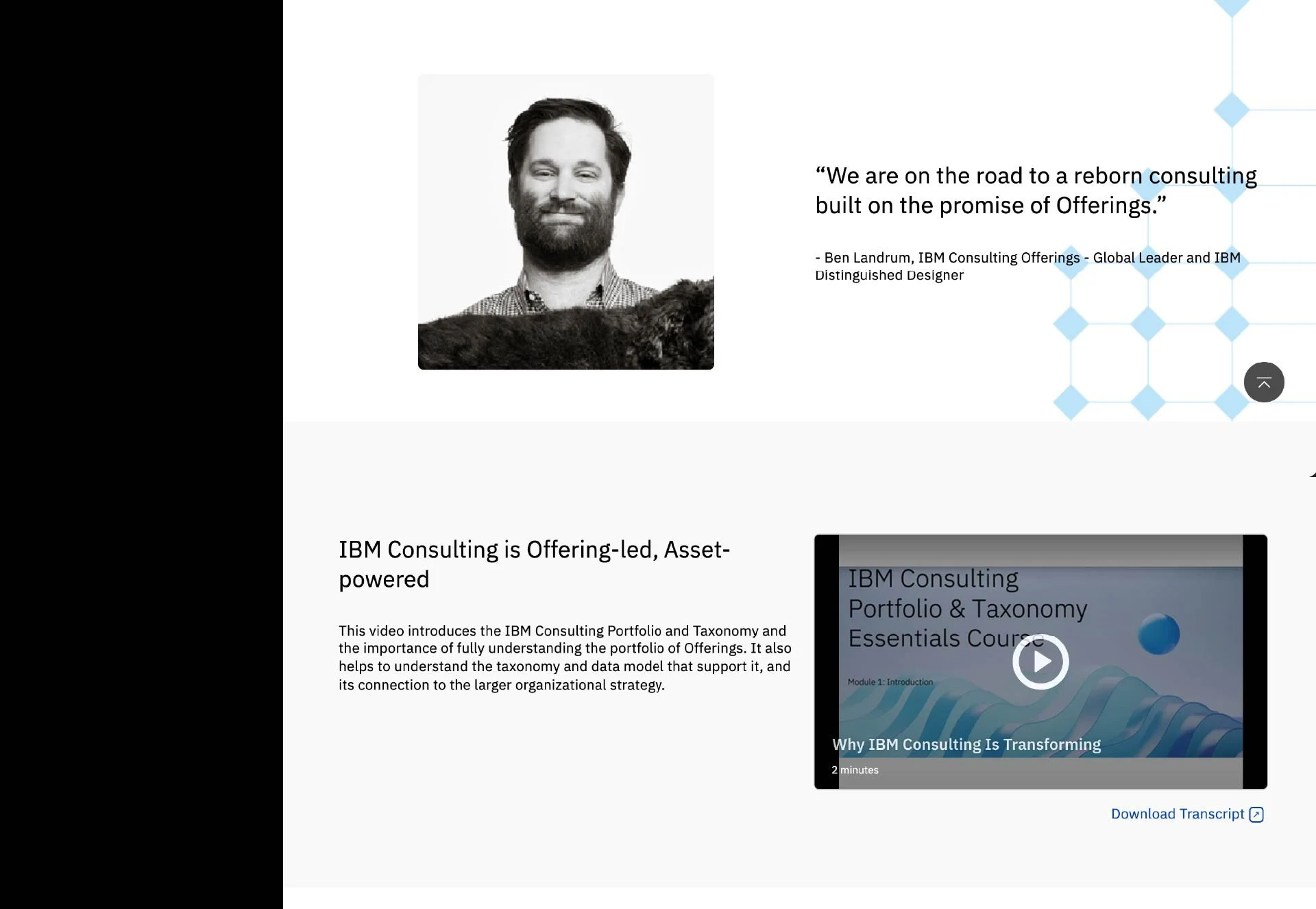
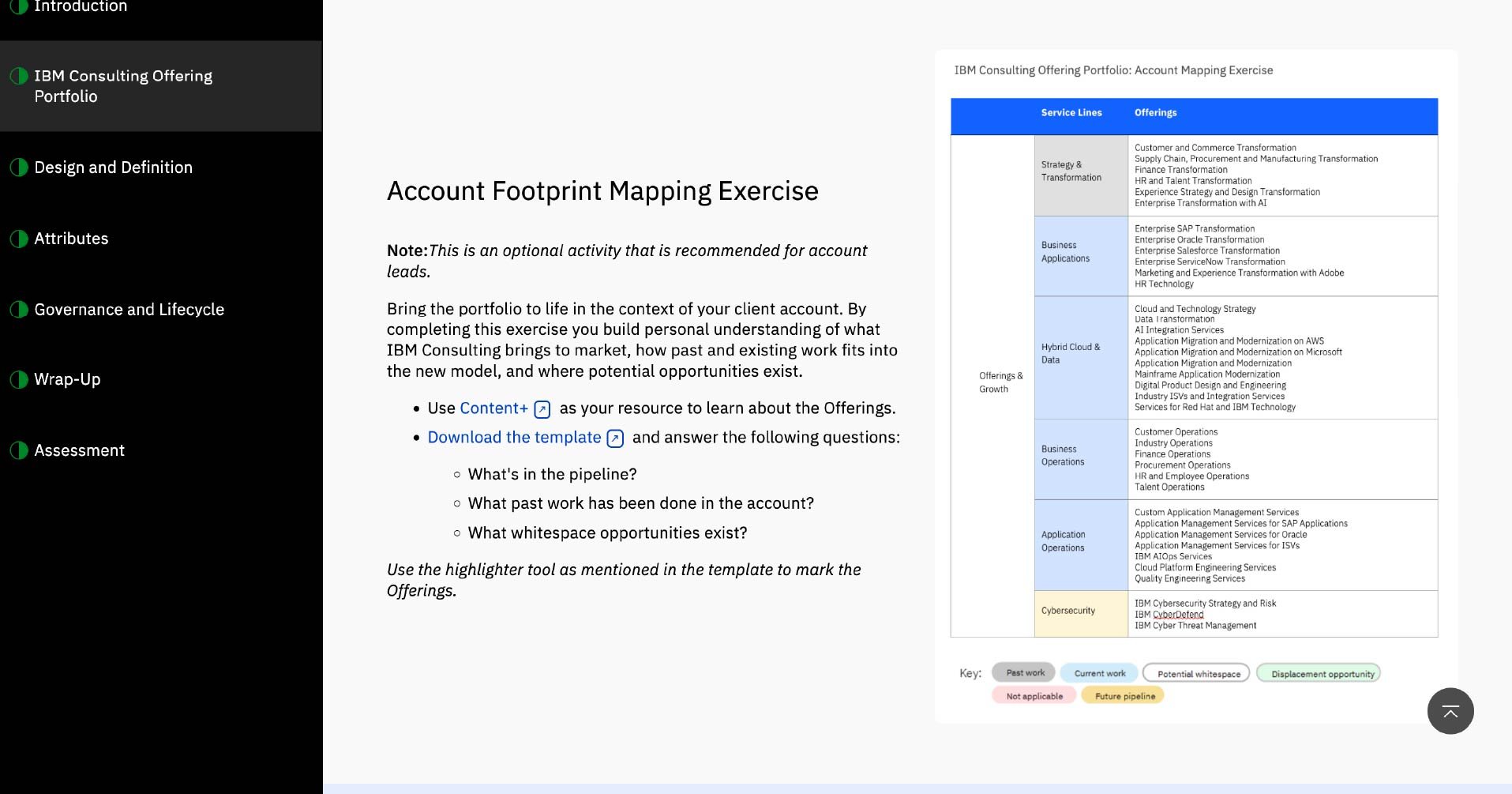
IBM Consulting Learning Experience
The Challenge
The project was developed under a compressed production timeline, requiring the creation of a complete learning experience—including instructional content, visual assets, mockups, and video components—in only a few weeks. Traditional design and media production methods would have limited the number of visual concepts that could be explored within the available timeframe.
Approach
To accelerate production while maintaining visual quality, I incorporated generative AI into the creative workflow. AI tools were used to rapidly generate concept imagery, support storyboarding, create visual scenarios, and produce short video elements.
Rather than replacing the design process, AI became a creative partner that enabled faster exploration of ideas while keeping final creative decisions under human direction.
My Role
Learning Experience Designer
Visual Designer
AI Art Director
Multimedia Producer
AI Workflow
1. Concept Development
Defined visual requirements aligned with learning objectives.
Identified scenarios that would traditionally require custom photography or illustration.
2. Prompt Engineering
Developed iterative prompts to generate multiple visual directions.
Refined style, composition, lighting, and subject matter through successive generations.
3. Art Direction
Evaluated outputs for brand consistency and instructional relevance.
Selected and refined the strongest concepts.
4. Post-Production
Enhanced generated assets through image editing and compositing.
Integrated visuals into course materials and video production workflows.
Business Impact
Using generative AI enabled:
Faster production cycles
Reduced dependence on stock photography
Increased creative exploration
Rapid creation of custom visuals
Greater flexibility when responding to stakeholder feedback
The result was a complete learning experience delivered within a highly compressed timeline while maintaining a cohesive visual identity.